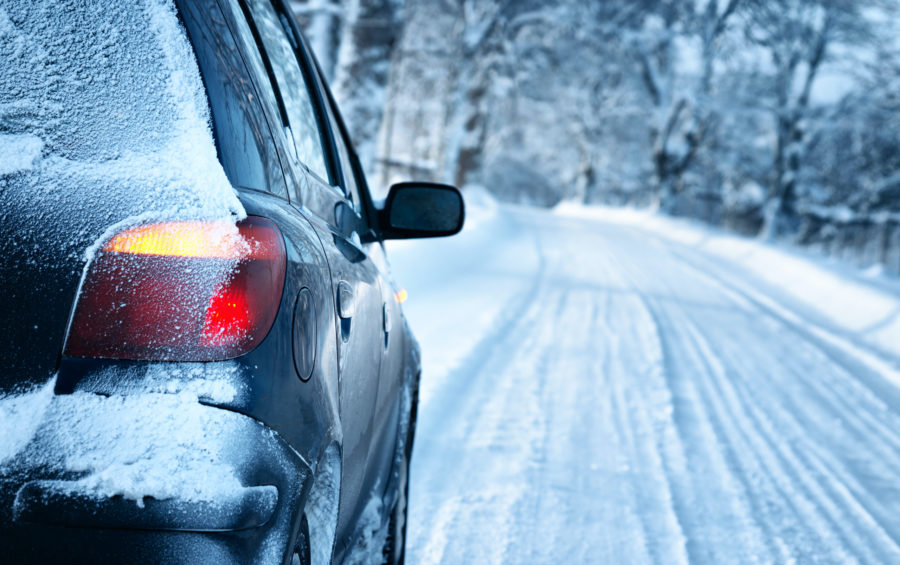
A powerful winter storm named Winter Storm Fern is building and expected to bring a mix of heavy snow, ice and dangerously cold air across a large portion of the United States, including the Midwest and Ohio, from Friday through Monday this weekend. Forecasters say this system could affect more than 180 million people from Texas through the Northeast, with snow and ice creating potentially hazardous travel and power disruption conditions.
For Ohio, that means damaging ice, snow and bitter temperatures that could make roads slick, leave trees and power lines stressed, and create long-lasting outages. The mix of snow and ice can be especially dangerous: even a thin glaze of ice can make roads impassable and increase the risk of slips and falls on walkways.
What to Do Before the Storm Hits
1. Stock emergency supplies now
Make sure you have at least three days of food and water for each person in your household, including pets. Keep a supply of non-perishable foods and bottled water, along with flashlights, extra batteries, and a battery-powered or hand-crank radio in case power goes out.
2. Prepare for power outages
Ice storms often bring down power lines. The Ohio Emergency Management Agency advises to keep your phones and backup batteries charged, and consider alternate ways to keep essential items working during outages. If you use a generator, make sure it’s operated outdoors and away from windows to prevent carbon monoxide buildup.
3. Winterize your home
Insulate pipes to reduce the risk of freezing. Inside, let faucets drip slowly when temperatures plunge and open cabinet doors to let warm air reach pipes under sinks. Weather-strip doors and windows to help hold heat in and cold out.
4. Limit travel and check your vehicle
If possible, postpone non-essential travel during the worst weather. If you must drive, equip your vehicle with a winter emergency kit, including blankets, a flashlight, a shovel, ice scraper, jumper cables and extra warm clothing.
Pay close attention to forecasts from the National Weather Service and local warning systems, including NOAA Weather Radio and community alerts. An ice storm warning can be issued when freezing rain is expected to produce significant ice accumulation, conditions that make driving extremely hazardous.
The Red Cross says even after the snow stops, cold temperatures can linger, making it harder for roads to clear and increasing the risk of frozen water pipes and frostbite outdoors. Wear layers, cover exposed skin, and check on neighbors who may need help.
Winter storms like Fern can arrive fast and leave lasting effects. Taking a few simple steps now, stocking supplies, safeguarding your home, and planning ahead, can help you stay safe and comfortable if the storm knocks out heat, power or safe travel for a few days.