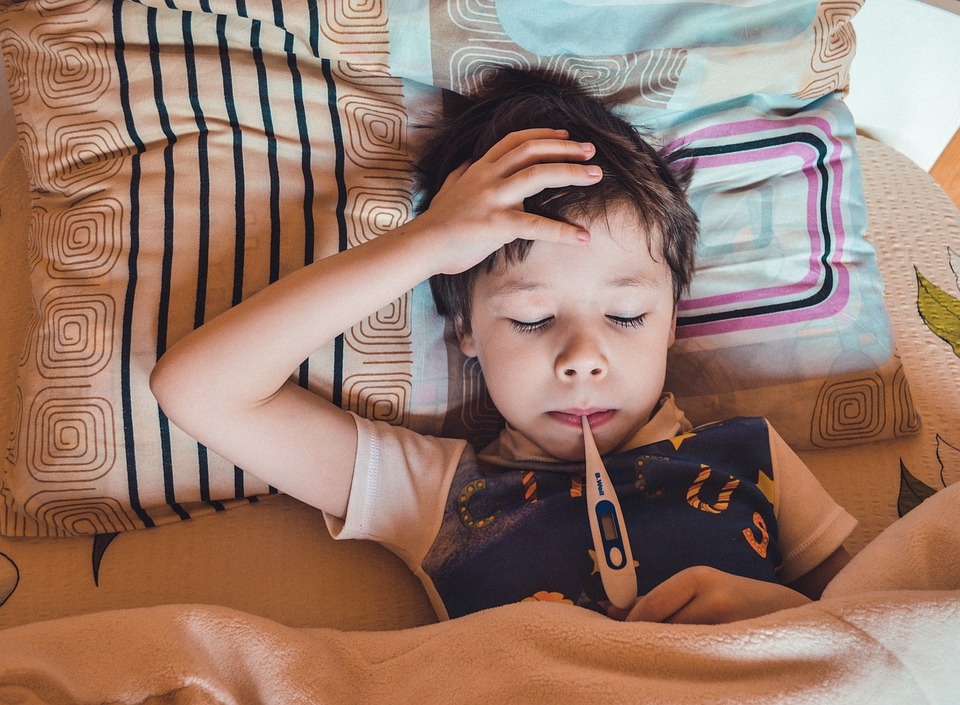
Flu season may be here, but RSV is another virus to watch for this winter. RSV (respiratory syncytial virus) is a common respiratory virus circulating widely in the community.
“The reason it gets a bad reputation is because it’s very effective at infecting the lower respiratory tract — the lungs and bronchioles — and that can get little babies, especially those under two, in trouble,” said Kristin Barrett, a pediatrician at Cleveland Clinic Children’s Hospital.
Dr. Barrett explained RSV is highly contagious and typically spreads through respiratory droplets or direct contact with someone who is sick. Symptoms can include runny nose, congestion, coughing, sneezing, fever, wheezing, and in severe cases, difficulty breathing.
Regular handwashing, keeping children away from anyone who is sick, and sanitizing high-touch surfaces (light switches and doorknobs) is the best way to prevent RSV. And for those interested, Dr. Barrett said a an immunization is available for babies and certain children: a one-time injection of RSV antibodies.
“The antibodies last for about six months, so they protect babies through the most vulnerable time of the year. RSV season is usually from October through March. The injection results in about a 70% risk reduction for needing medical intervention when a baby is infected with RSV,” she said.
If a child does get RSV, Dr. Barrett said most can recover at home with supportive care. However, if symptoms begin to worsen, it’s important to seek medical attention immediately.